Is Your Noni Authentic? Why Quality and Ingredient Verification Matter
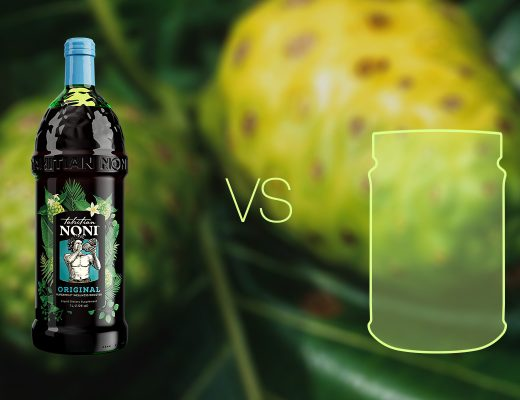
When you purchase a noni supplement, you expect the product inside the package to match what is printed on its label. But how can consumers distinguish authentic noni from products that may contain substituted ingredients or misleading descriptions?
Research presented in 2024 raised this important question and highlighted why ingredient authenticity deserves greater attention.
The Research Behind Noni Authenticity
At the American Chemical Society's Fall 2024 meeting in Denver, Brett West, Partner.Co's Senior Director of Research and Development, presented findings concerning the authenticity of commercially available powdered noni products.
The presentation, titled Phony Noni: Evidence of Widespread Misbranding of Commercial Powdered Morinda Citrifolia Products, described a chemical analysis approach developed to identify products that did not meet expected authenticity standards.
According to Partner.Co's published summary, researchers found that approximately 73% of the noni products they surveyed on major online marketplaces were misbranded or considered inauthentic.
That is a noteworthy finding, but it is important to interpret it accurately. The percentage applies to the products examined in this survey. It does not establish that the same percentage of all noni products sold worldwide is mislabeled.
The number of products tested and the full sampling methodology are not detailed in the Partner.Co article.
What Is Authentic Noni?
Noni is the fruit of Morinda citrifolia, a tropical plant traditionally used in Pacific Island communities.
The fruit has a distinctive appearance, aroma, and naturally occurring chemical composition. Scientific testing can help researchers distinguish genuine noni-derived ingredients from substituted or improperly identified materials.
Authenticity testing addresses a basic question: Does the product actually contain the ingredient it claims to contain?
This is different from testing whether a supplement produces a specific health benefit. Both questions matter, but they require different types of evidence.
Why Ingredient Verification Deserves Attention
Many nutritional products are purchased online, where shoppers may have difficulty independently checking the identity or source of the ingredients.
A product label may display botanical names, colorful fruit images, or descriptions of traditional use. Those details alone do not independently verify its contents.
When evaluating a supplement, consider whether the manufacturer provides information about:
- Ingredient identity and sourcing
- Manufacturing standards and quality-control procedures
- Testing used to verify botanical ingredients
- Clear labeling and traceability
- Relevant scientific research supporting specific product claims
These considerations apply not only to noni but also to botanical supplements generally.
How Tahitian Noni ORIGINAL Fits Into the Picture
Partner.Co markets Tahitian Noni ORIGINAL as part of its established Tahitian noni product line.
The company describes ongoing research into noni fruit and uses a product authenticity seal intended to help consumers recognize its genuine products.
For someone interested in incorporating noni into a wellness routine, the quality and identity of the ingredients are reasonable factors to examine alongside price and taste.
It is also important to distinguish research on the authenticity of noni products from clinical research establishing health outcomes.
Making a More Informed Purchase
The broader lesson from this research is simple: ingredient authenticity should not be taken for granted.
A low price or an attractive label tells only part of the story. Consumers can make better-informed purchasing decisions by choosing products with transparent sourcing, identifiable manufacturers, and meaningful quality-control practices.
As scientific testing methods continue to develop, authenticity research may become increasingly useful in helping shoppers distinguish products with verified ingredients from those making unsupported claims.
Explore Tahitian Noni ORIGINAL: Shop Tahitian Noni Original
Research reference: Partner.Co, Brett West Speaks at American Chemical Society: Uncovering the Truth About Noni Products, September 10, 2024.
Research information is provided for educational purposes. Dietary supplements are not intended to diagnose, treat, cure, or prevent any disease.